Key Takeaways
Electrical systems are a key part of first responder emergency vehicles for safety and utility. Vehicle power distribution units are a major aspect of electrical systems in these fleets. In this blog, D&R Electronics Co. Ltd., a major fleet vehicle solutions provider based in Bolton, Ontario, explores these electrical systems and components in detail.
What Is A Vehicle Power Distribution Unit In First Responder Vehicles?
What Is A Vehicle Power Distribution Unit?
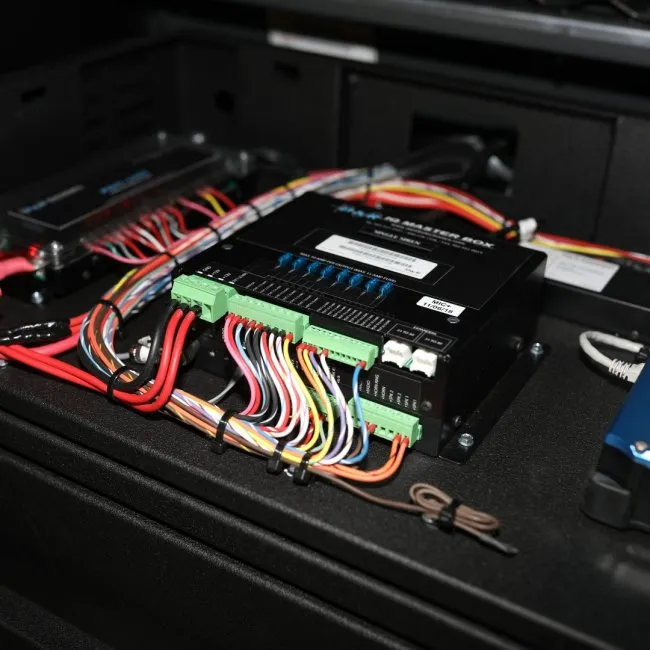
A vehicle power distribution unit is a device that is used to delegate power to vehicle accessories for first responder vehicles. Their main purpose is to ensure safe power transfer and controlled power management for emergency fleet vehicles.
Why Emergency Vehicles Require Centralized Electrical Systems?
Centralized electrical systems are a major part of emergency vehicles as they are required to meet the extreme electrical demands. Without a centralized electrical system, the vehicles can face critical equipment failure. Moreover, the system ensures proper functioning with space optimization.
Role Of PDUs In Police, Fire, And EMS Vehicles
Vehicle power distribution units or PDUs maintain a critical role in police, fire and EMS vehicles to reliably route and manage power from electrical systems to radios, sirens, and lightbars.
Importance Of Reliable Electrical Distribution During Emergency Response
Reliable electrical distribution is vital during emergency response as it enables appropriate power distribution to the main parts of the vehicle. Without this, the battery of the vehicle might be discharged, causing major issues during time-sensitive missions.
Key Electrical Systems Used In First Responder Units
Vehicle Power Distribution Units
As mentioned above, vehicle power distribution units are used to safely and reliably transfer power from the car’s main electrical system to required components such as lights, sirens, and radios. It also prevents the vehicle’s battery from being discharged during critical operations.
Battery Management Systems
Battery management systems (BMS) are the central part or the brain of the emergency vehicle’s power system. A quality BMS helps monitor voltage, current and operating temperatures. The main purpose is to prevent overheating and complete discharge of the vehicle battery.
Emergency Lighting Systems
Emergency lighting systems, such as LED light bars, mini light bars, LED beacons and more, are a critical part of a vehicle’s electrical system that illuminate the vehicle and help other first responders and motorists identify it on the road. It is a key part of ensuring personnel safety, traffic management and communication to improve the performance of first responders.
Inverters And Power Converters
Since the emergency vehicle operates on a battery, inverters and power converters are very important. These components help convert the 12V-24V direct current from the battery into usable alternating current, which is then used to power computers, tools, or medical devices to ensure reliable performance in first responder vehicles.
Communication And Radio Systems
Communication systems in emergency vehicles fall under multiple categories. While radio systems are a great way to enable communication between different units, emergency vehicles themselves use sirens or speakers to communicate with other motorists and pedestrians.
Shoreline Charging Systems
Shoreline charging systems are externally sourced power units that are used to charge the vehicle batteries in first responder units when the vehicles are parked. Their purpose is to keep the batteries optimally charged for on–road missions.
How Vehicle Power Distribution Units Improve Emergency Vehicle Performance?
Efficient Power Management Across Multiple Systems
As the power from the main battery is used in multiple intensive systems, efficient distribution becomes paramount to prevent system overload or battery discharge. A vehicle power distribution unit serves this major purpose by safely routing and directing power to the right components as required.
Reducing Wiring Complexity In Emergency Vehicles
Vehicle power distribution units enable the reduction of wiring complexity in emergency vehicles. Instead of multiple wires that span a large area and increase total weight, the systems use a controlled area network or CAN bus. In this, a single data cable connects the control panel to the PDU, thereby reducing wiring complexity.
Improving Reliability During High-Demand Operations
High-demand operations are the norm for emergency fleets. For this, they require reliable and optimally functioning electrical equipment. Power distribution units ensure this so that the components do not fail or malfunction during mission-critical operations.
Supporting Simultaneous Operation Of Electrical Equipment
Multiple pieces of electrical equipment operate simultaneously in emergency vehicles. Examples include lighting systems and communication systems. The vehicle power distribution units enable this simultaneous usage so that their utility is not compromised.
Simplifying Maintenance And Diagnostics
Since the power distribution units are designed to maintain electrical stability in the emergency vehicle, identifying issues becomes easy. This enables easy maintenance and diagnostics of electrical systems in the emergency vehicle fleets.
Common Electrical Challenges In First Responder Vehicles
Power Overload And Voltage Drops
The emergency vehicles utilize many different types of equipment that place an intensive load on the electrical system, which can result in power overload and system failure. If not system failure, then, at the very least, they can result in voltage drops, compromising the functioning and performance of key equipment, such as LED emergency lights and police sirens.
Battery Drain During Extended Operations
Duration matters as much as the intensity of operation. If a certain type of equipment that consumes a lot of power is operated for extended periods, it can drain the main battery of the emergency vehicle. This can compromise the entire functioning of the vehicle. Solutions such as a vehicle power distribution unit are used to prevent such outcomes.
Wiring Failures And Electrical Faults
Wiring is the backbone of the electrical system in first responder vehicles. As a result, any wiring failures can directly compromise the performance of electrical components within the vehicle. Similarly, any electrical faults can also result in poor performance of mission-critical equipment.
Environmental Exposure And Vibration Damage
Emergency vehicles operate in challenging weather conditions such as harsh sun, snow, sleet, rain and winds. This can tamper with or damage electrical systems within the vehicle. Similarly, constant vibration due to vehicle movement can also knock loose some wiring and negatively impact the functioning of important electrical components.
Integration Challenges With Modern Emergency Equipment
Modern emergency equipment can often pose more energy demands on the vehicle’s primary electrical system, leading to integration challenges in the long run.
Step-by-Step Process for Designing Emergency Vehicle Electrical Systems
Step 1: Identify Vehicle Power Requirements
The first step involves identifying the power requirements for the emergency vehicle. Aside from basic functioning, lighting and communication systems, what other specialized electrical equipment is stored and operated on board? This information will help determine the core components of the electrical system.
Step 2: Determine Equipment Load Distribution
The next step involves figuring out the required load to operate these different pieces of equipment simultaneously or in isolation. This will help determine how the load is to be distributed to ensure safe and functional usage even under demanding conditions.
Step 3: Select Appropriate Power Distribution Components
Based on the type of load acting on the electrical system and how it will be managed, select the appropriate type of power distribution component. For instance, D&R Electronics Co. Ltd.’s PDU-6SS is for secure power management and protecting the vehicle battery, whereas the watchdog system is for preventing excessive battery discharge.
Step 4: Plan Wiring And Circuit Protection
Based on the type of vehicle power distribution unit used, the next step involves planning wiring and circuit protection for these components. This helps reduce wiring complexity and makes the vehicle more streamlined for emergency operations without compromising on electrical safety and performance.
Step 5: Integrate Auxiliary Battery And Charging Systems
Even with all the PDUs and safeguards in place, it is important to add auxiliary charging systems for first responder vehicles. So consider integrating auxiliary batteries or similar charging mechanisms within the vehicle for emergencies.
Step 6: Test And Validate System Performance
Lastly, test the performance of the electrical system on the road to see if it is meeting the required standards. Modifications and upgrades can be added depending on the output until peak performance, safety and system reliability are achieved.
Safety And Reliability Considerations For Emergency Vehicle Electrical Systems
Circuit Protection And Fuse Management
Self-resetting circuit breakers are an excellent addition to vehicle electrical systems for protection. They can be integrated with heavy-duty power relays and built-in fuses for quality protection against power surges.
Heat Management And Ventilation
The effect of constant power flow in a compact space can be catastrophic. To mitigate this, it is key to invest in ventilation fans, heat shields, temperature sensors and other similar solutions to manage heat and ensure fire suppression.
Waterproofing And Environmental Protection
Heat management aside, for ensuring the proper safety of electrical systems in emergency vehicles, it is equally important to waterproof the components. Make sure that moisture does not enter the system. Similarly, it should also be shielded from environmental contaminants such as dust.
System Redundancy And Backup Power
Redundancy is a major aspect of vehicle electrical system safety, as it ensures reliable operation even in extreme situations. The idea is to reroute the electricity through another route so that the main electrical components keep functioning even after a major fault.
Compliance With Emergency Vehicle Standards
Lastly, there are numerous emergency vehicle safety standards in place in terms of electrical components, such as CSA, that cover wire sizing, breaker ratings and much more.
Conclusion: Building Reliable Electrical Systems for First Responder Vehicles
In closing, building reliable electrical systems for first responder vehicles requires careful planning, considering safety and performance even under the most extreme conditions.
D&R Electronics Co. Ltd. covers these aspects with our vehicle power distribution units that ensure electrical power routing, auxiliary system management and circuit protection.
As a fleet vehicle solutions provider serving North America, the Middle East, Europe, and Australia, we offer a variety of solutions, including police sirens, LED beacons, emergency vehicle consoles, and more. Contact us at 1-800-538-7338 for more details.
FAQs
What is a vehicle power distribution unit?
A vehicle power distribution unit is a device to safely distribute and reroute power to different parts of the vehicle.
Why do emergency vehicles need power distribution systems?
Emergency vehicles need power distribution systems to ensure safe and reliable performance of key electrical components under all conditions.
What electrical systems are used in first responder vehicles?
Different types of electrical systems used in first responder vehicles include vehicle power distribution units, LED lighting systems, battery management systems, inverters, power converters, communication systems and shoreline charging systems.





 Find a Dealer