Traffic directors in utility fleets are mainly used in the case of lane closures, short-duration or intermittent work, and mobile operations. Aside from utility, what are the best practices for proper usage of these traffic directors and what mistakes should be avoided? D&R Electronics Co. Ltd., a leading fleet vehicle solutions provider in Bolton, Ontario, offering police sirens, emergency vehicle LED lights, LED beacons and more, explores these questions in this blog.
What Is The Main Purpose Of Traffic Directors?
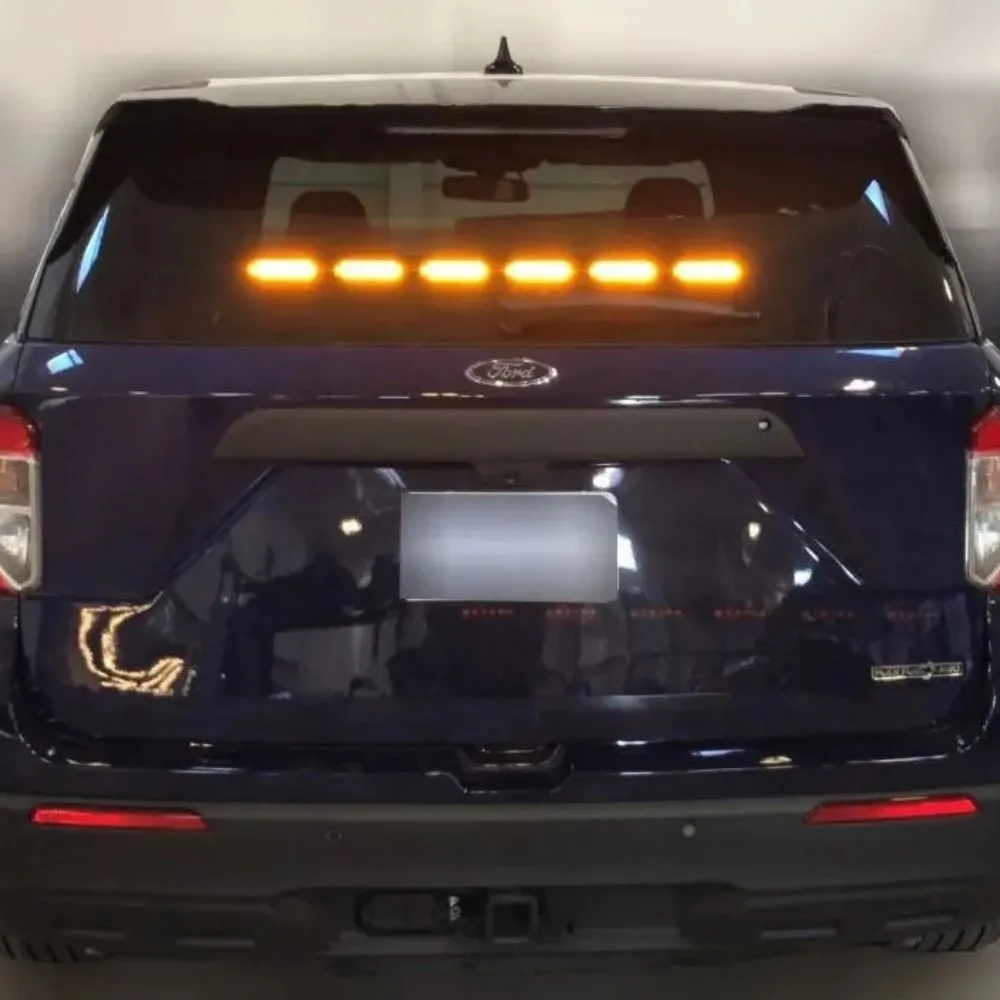
Traffic directors, mounted on utility trucks or vehicles, are primarily used for:
- Lane closures or lane shifts on the road to direct the flow of traffic
- Ongoing mobile operations on the road, such as repairing potholes or small repairs
- In cases where there is short or intermittent work and other signage, such as vehicle message boards, is not practical or feasible
What Are The Best Practices For Proper Usage For Traffic Directors?
Mounting Height And Visibility
The mounting height of the traffic directors in utility trucks will primarily depend on visibility. Make sure that the directors are clearly visible to approaching motorists. This is approximately 2.1 metres from the ground to the bottom side of the board. Additionally, it should not be obstructed by any other signage or equipment.
Display Patterns
Make sure to use the right patterns according to the situation. For instance, the left or right side arrow is used to direct traffic in the desired direction as required.
Operational Requirements
There are a few operational requirements that are non-negotiable when it comes to traffic directors. This includes high-intensity flashing lights that are visible in all weather conditions, and not using them in opposing traffic lanes.
What Are Some Common Mistakes To Avoid When Using Traffic Directors?
Some common mistakes to avoid when using traffic directors include:
- Using the wrong display for the required task
- Low battery that compromises the brightness of the traffic director
- Mounting the lights too low or in a position where they are not fully visible to oncoming motorists
Conclusion
In closing, traffic directors can perform their tasks adeptly if the above-mentioned best practices and mistakes are taken into consideration.
For more details and specifications about traffic directors and arrowboards, reach out to us at D&R Electronics Co. Ltd. As a leading fleet solution provider in North America, the Middle East, Europe, and Australia, we offer a variety of solutions ranging from LED beacons and police sirens to emergency vehicle LED lights and more. Contact us at 1-800-538-7338 for more information.
FAQs:
What is the difference between a traffic director and standard warning lights?
Standard warning lights alert motorists that a utility or emergency vehicle is present. Traffic directors, on the other hand, actively signal in which direction the approaching traffic needs to move.
Where can traffic directors be mounted on a utility vehicle?
Common mounting locations for traffic directors on a utility vehicle include the interior rear window, cab roof, or grille.




 Find a Dealer