Key Takeaways
The most common issues faced by LED mini light bars include power supply and voltage issues, wiring and connection failures, LED module failure or dim lighting, moisture and water ingress problems, overheating, and flash pattern malfunction. D&R Electronics Co. Ltd., a major fleet vehicle solutions provider in Bolton, Ontario, such as vehicle storage cabinets, police sirens, and more, focuses on these issues and offers troubleshooting tips in this blog.
What Are LED Mini Light Bars And Where Are They Used?
What Are LED Mini Light Bars?
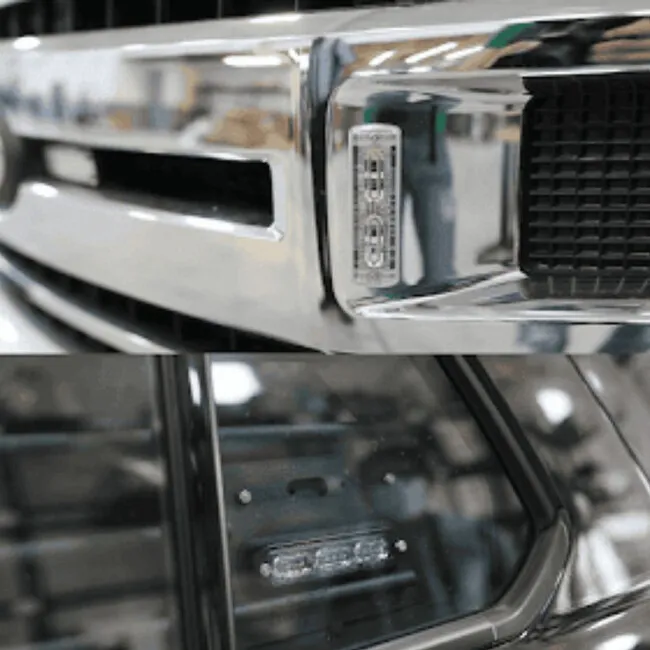
LED mini light bars are a miniature version of high-intensity LED light bars used in law enforcement vehicles, first responder vehicles, and utility fleets. They are highly energy efficient and occupy less space due to their compact design.
Common Applications in Emergency and Utility Vehicles
In the case of first responders, the mini LED light bars are used as a way to warn other motorists or pedestrians of their presence. This is done through various flash patterns that the mini light bar can be programmed to display.
Why Is Reliability Critical In These Systems?
High-quality mini light bars are widely used across emergency and utility vehicles for consistent visibility, as they ensure safety for the personnel and other motorists on the road.
Most Common Issues Faced By LED Mini Light Bars
Power Supply And Voltage Issues
Power supply and voltage issues are a major problem in poorly functioning mini LED light bars. This can lead to inconsistent illumination, causing safety issues on the road. One of the main culprits behind this is the wiring layout. Typically, serial wiring connections lead to inconsistent and uneven lighting output. Resolving the wiring layout can solve power and voltage issues in most mini light bars.
Wiring And Connection Failures
The broader issue of wiring and connection failures cannot be neglected. Common problems include loose wiring or obstruction, worn-out wiring or overlapping, or improper wiring connections during installation. While these are distinct issues, the result is often the same: the mini LED light bars not functioning properly.
LED Module Failure Or Dim Lighting
The LED module failure is a major error that can cease functions entirely or lead to significant dimming at the very least. Probable reasons include inconsistent power supply to the lights, thermal issues, moisture ingress or electrostatic discharge. The causes can vary, but the symptoms require detailed examination and replacement.
Moisture And Water Ingress Problems
LED mini light bars come encased in a weather-proof housing, which typically protects them from the elements. However, with time, moisture can accumulate on the inside of the casing/housing. Not only does this diffuse the overall lighting, but it can also significantly damage the LED components with prolonged exposure. Low-quality casing is the main cause of water ingress in this case.
Overheating And Thermal Management Issues
Overheating of the mini LED light bar is often an issue with the surrounding components rather than the LED module. Common causes include ineffective heat sinks or thermal interface between the LED board and the housing, or insufficient ventilation.
Controller Or Flash Pattern Malfunction
Controller or flash pattern malfunction in mini light bars is often characterized by flickering, freezing or skipping patterns. There can be numerous causes behind this issue, ranging from electrical instability to environmental issues. Using low-quality components can also cause flash pattern or controller issues, requiring a complete overhaul under such circumstances.
Causes Behind LED Mini Light Bar Failures
Poor Installation Practices
Installation is a very important part of ensuring longevity and performance in LED mini light bars. Poor installation practices are a common cause of mini light bar failures. Examples include using a serial connection instead of parallel connections, using solid wires, or using frayed wire leads.
Low-quality Components Or Materials
In case the installation is proper, and the problems still persist, then the fault typically lies with the quality of the lighting itself. Low-quality components and materials might be cost-effective initially, but can really be an issue in terms of long-term performance.
Environmental Exposure
In spite of the best housing and ingress protection ratings, it can lead to issues in the LED mini light bar. The constant vibration due to the vehicle operation, in combination with harsh UV rays, rain, snow and dust, can cause issues in the long run. However, quality mini light bars with robust casings can avoid this issue for a long time.
Electrical Overload Or Voltage Fluctuations
Once again, electrical overload or voltage fluctuations can occur due to improper wiring, or the wiring breaking down or fraying. It can either be an installation issue or the wiring can wear out gradually.
Lack Of Regular Maintenance
Just like every other component of a vehicle, the mini light bars must also be inspected regularly. In this way, small issues can be identified and solved at the source. Not following this can lead to bigger issues in the long run.
Step-By-Step Troubleshooting Guide For LED Mini Light Bars
Step 1: Inspect The Power Source And Battery
The first step is to check if the power source or battery is the cause of the malfunction. Connect the light bar directly to the power source/battery. If it is functioning fine, then the issue might lie with the wiring and connectors instead of the power source. Make sure to use a 12-24V DC power source.
Step 2: Check Wiring And Connectors
The wiring is most often the major cause behind a poorly functioning or completely non-functional mini light bar. Check the entire connection for any damage, fraying, or improper layout. Any one of these might be the cause of the malfunction. Replace the wiring if needed, and reinstall it using best layout practices that are not susceptible to voltage or power fluctuations.
Step 3: Test LED Modules And Brightness Output
The LED modules can be tested in a number of ways. First, begin with a visual inspection. Check for burn marks, broken parts, or loose connections. Then, check the forward voltage and current to see if the module is not drawing too much power. To check for brightness, use a lux meter to see if the reading matches the manufacturer's specifications.
Step 4: Examine Controller And Flash Settings
Sometimes, the fault does not lie with the LED module itself, but rather with the controller. Check the controller and the flash patterns for any issues or discrepancies. For instance, unwanted or excessive flashing can be a sign of an overloaded controller.
Step 5: Inspect For Moisture Or Physical Damage
Inspect the casing and the mini light bar for the presence of moisture or physical damage. If any are present, then the cause behind the malfunctioning LED mini light bar is self-evident. In case of moisture in the casing, check if it has seeped into the light itself and get it replaced or repaired, depending on the extent of the damage.
Step 6: Verify Mounting And Installation Stability
Also, check if the light is mounted properly and is stable. Instability due to vibration can also knock out a few wires, leading to a malfunctioning light. If all other components are working properly, then this could be probable cause, requiring more robust mounting configurations.
Preventive Maintenance Tips To Avoid LED Light Bar Issues
Regular Inspection And Cleaning
Preventative maintenance is a sure-fire way to avoid LED light bar issues in the long run. Start with regular inspection and cleaning to keep environmental factors out of the equation.
Proper Sealing And Waterproofing
Before heading into challenging weather conditions, make sure that the lighting has proper sealing and is waterproof. This will avoid any sudden issues in the LED mini light bars on the road, where performance really matters.
Ensuring Correct Voltage Supply
Make sure that the voltage supply to the LED lights is appropriate. Over or under-voltage can cause issues, so make sure that the power source is properly calibrated.
Using High-Quality Components
Do not use low-quality, cost-effective components for your mini LED light bars. While low cost does not guarantee low quality, it is still highly likely. Focus on the quality first for the best results.
Routine Performance Testing
Test the light bar regularly for performance. See if there is any voltage drop, instances of overheating, unusual flickering, or dimming. This will often provide a clear path to identifying and troubleshooting the problem at the testing stage.
When To Repair Vs Replace LED Mini Light Bars
Signs That Repair Is Sufficient
Repairing the LED mini light bars might be sufficient if the cause of the malfunction is wiring issues, a failed power supply, or surface-level corrosion. Also, in the case of minor issues with newer LED lights, a repair might be appropriate.
When Replacement Is More Cost-Effective
In case the light has dimmed significantly or is facing severe damage from corrosion or moisture, then replacement is a better choice. Lens damage or extensive failure of the LED module also warrants replacement over repair.
Cost Vs Performance Considerations
Ultimately, the choice between repairing and replacing LED light bars comes down to cost and performance. If the performance drop is major, then replacement makes sense. Otherwise, repairing can be more cost-effective.
Choosing Reliable LED Mini Light Bars To Avoid Future Issues
Importance Of Certifications And Standards
Before checking the cost, check for quality. Here, standards and certifications become absolutely paramount. Make sure the lighting fits the SAE Class 1 standards and is safe for roadside operations.
Durability And Environmental Resistance
External durability and environmental resistance can be assessed by the right Ingress Protection rating (IP). Make sure that the IP rating covers protection from both dust and moisture.
Compatibility With Vehicle Systems
Lastly, ensure that the mini light bars are compatible with the specific vehicle system. This is vital as it will make the installation process faster and easier.
Ensuring Reliable Performance Of LED Mini Light Bars
In closing, to ensure reliable performance of LED mini light bars, it is key to identify the common issues, their causes, and know the right troubleshooting procedures.
To learn more about LED mini light bars and which one is right for your fleet, contact us at D&R Electronics Co. Ltd. today. As a leading fleet solution provider in North America, the Middle East, Europe, and Australia, we offer a variety of solutions, including vehicle storage cabinets, police sirens, emergency vehicle consoles, and more. Contact us at 1-800-538-7338 for more details.
FAQs
Why is my LED mini light bar not working?
The LED mini light bar might not be working due to loose wiring, power supply issues, environmental contamination, overheating, or a combination of all these factors.
What causes LED light bars to flicker?
LED light bars can flicker due to faulty components, poor installation, or unstable power supply.
Can water damage LED light bars?
Yes, without proper housing or protection, water can damage LED light bars.
How do I fix wiring issues in LED light bars?
Reinstall the wiring or replace faulty wiring to ensure properly functioning LED light bars.
How long do LED mini light bars last?
While the number of hours varies, most LED mini light bars can at least last 30,000 hours.





 Find a Dealer